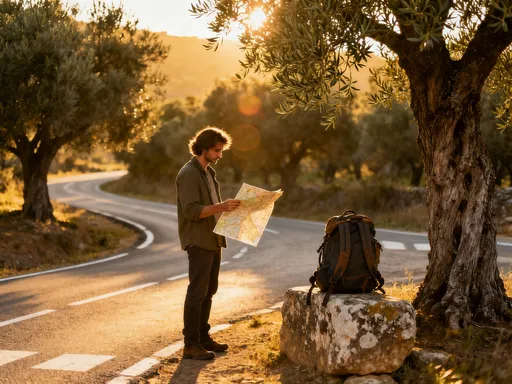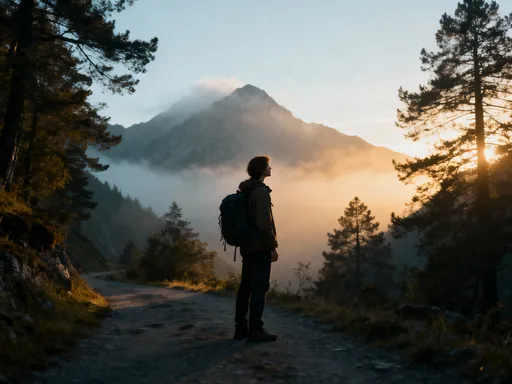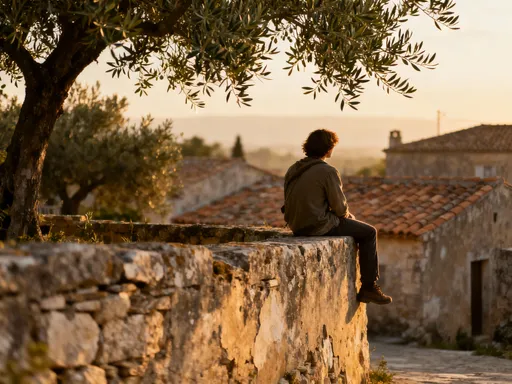
Whispers of the Wanderer’s Path
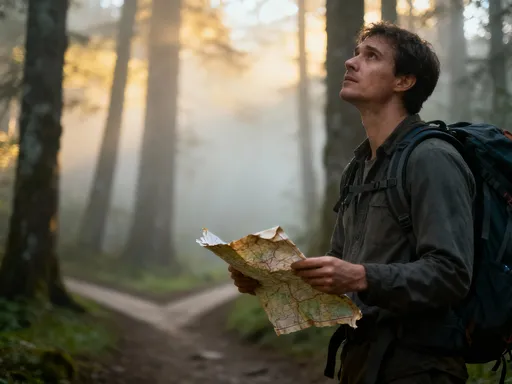
Every journey begins with a whisper—not of maps or tickets, but of longing. Travel reshapes us quietly, stitching new rhythms into our being. Choosing where to go and how to move changes more than an itinerary; it transforms perspective, energy, and connection. In a world of rushed itineraries, the real adventure lies in mindful motion. This is not about ticking destinations off a list, but about deepening experience through intentional choices. From sunrise over silent hills to the first step in a foreign city, every moment holds potential. The key is knowing how to step forward—with awareness, preparation, and grace.
The Rhythm of Purposeful Travel
Travel, at its most transformative, is not measured in miles but in meaning. The distinction between a forgettable vacation and a life-shifting journey often lies not in the destination, but in the intention behind it. Purposeful travel begins with an internal check-in: why are we going? What part of ourselves are we seeking to awaken or restore? Studies in travel psychology consistently show that trips rooted in personal intention—whether curiosity, emotional healing, or cultural connection—lead to higher levels of post-trip well-being, reduced stress, and increased life satisfaction. In contrast, trips driven by obligation or escapism often leave travelers feeling more fatigued than fulfilled.
Intentional pacing is central to this philosophy. It means resisting the urge to cram ten experiences into six hours, and instead allowing space for serendipity and stillness. Consider the story of Aiko, a school administrator from Osaka who walked the remote Noto Peninsula for ten days. She carried a light pack, followed no strict schedule, and allowed herself to linger at fishing villages, tea stands, and rocky inlets. Her goal was not to complete the trail but to reclaim a sense of slowness. By the third day, she noticed changes—not just in her body, but in her perception. Colors seemed sharper. Sounds carried more depth. She began to notice the rhythm of tides, the patterns in coastal rock formations, and the quiet kindness of strangers. This deep engagement is not accidental; it is cultivated through deliberate choices about how we move and why.
To align travel with personal values, a simple reflection grid can be a powerful tool. It asks travelers to consider four core motivations: curiosity, rest, growth, and renewal. A journey sparked by curiosity might lead to a museum-rich city or an artisan workshop in Oaxaca. One driven by rest may find its form in a secluded forest cabin in Sweden or a quiet beach in southern Sri Lanka. Growth might draw someone to a volunteer placement in rural Ecuador, while renewal could mean a silent retreat in the mountains of northern Thailand. By naming the intention, travelers become more discerning. They begin to ask not just “Where is trending?” but “Where will meet me?”
Escape, while understandable, is often short-lived. It operates on avoidance—moving away from stress, noise, or responsibility. Exploration, by contrast, is movement toward something: understanding, connection, presence. The shift from escape to exploration changes the texture of a trip. It fosters resilience when things go wrong, because the traveler is anchored in purpose, not perfection. When a flight is delayed, a hotel booking is lost, or rain drowns out a planned hike, the traveler who is exploring can adapt. The experience becomes part of the story, not a disruption to it.
Mapping the Mindful Itinerary
Choosing a destination is often the first major decision in travel, yet it’s frequently made on reflex—swayed by social media, group trends, or last-minute deals. A more thoughtful approach considers not just what a place offers, but how it resonates with the traveler’s inner world. Emotional suitability, a concept gaining traction in mindful travel design, emphasizes matching destination energy with personal disposition. A bustling souk in Fez may invigorate one traveler and exhaust another. A quiet lakeside village in central Portugal may feel restorative to a city-dweller craving silence, while seeming dull to someone energized by crowds and novelty.
To navigate this, travelers can identify their archetype: observer, learner, or connector. Observers thrive on stillness, beauty, and contemplation. They may be drawn to landscapes—high deserts, misty forests, open coastlines—where presence is the main activity. Learners seek understanding. They are fueled by history, craft, and language. Their ideal destinations include ancient ruins, artisan centers, or university towns where knowledge is accessible. Connectors long for human interaction. They find joy in shared meals, community gatherings, or homestays where dialogue bridges cultural gaps. Recognizing one’s archetype does not limit choice, but sharpens it. It guides the traveler toward experiences that align with their natural rhythm.
Seasonal timing is equally critical. A destination’s character shifts dramatically with the calendar. Kyoto in cherry blossom season is a dream for some, an overcrowded challenge for others. Travelers who value quiet and reflection may prefer visiting in late autumn, when ginkgo trees blaze gold and temple gardens are nearly empty. A seasonal matrix, combining climate data, crowd levels, and local festivals, can help pinpoint ideal windows. For instance, coastal Croatia is packed in July and August, but September offers warm seas, fewer tourists, and harvest festivals in hilltop villages. Similarly, Bhutan’s spring months bring blooming rhododendrons and clear Himalayan views, while winter offers solitude and crisp, quiet days.
Satellite-based footfall data from geospatial platforms now allow travelers to identify overlooked destinations with high resonance. These “quiet gems”—a stone village in northern Greece, a lakeside town in Slovenia, a Buddhist monastery trail in Taiwan—often provide deeper immersion precisely because they are not on the mass tourism circuit. They offer space to move slowly, speak with locals, and absorb details without the pressure of performance. The goal is not to avoid popular places altogether, but to seek balance. Even in a city like Paris or Tokyo, a mindful traveler can find pockets of calm—a small garden, a neighborhood market, a tucked-away bench—where presence can return.
The Architecture of Daily Motion
How a traveler spends their day—what they do, when, and in what order—shapes the quality of the entire journey. A well-designed day is not packed, but paced. It follows the natural rhythms of human energy, allowing for discovery, absorption, and recovery. Spaced discovery, a principle drawn from cognitive science, suggests that short bursts of activity—such as visiting a museum or hiking a trail—separated by pauses, lead to richer memories and greater enjoyment. The mind needs time to process, reflect, and re-energize. Without these gaps, experiences blur into a single, exhausting stream.
The ideal travel day mirrors the body’s ultradian rhythm: 90-minute cycles of focus followed by 20- to 30-minute breaks. In Kyoto, a mindful traveler might begin with a morning walk through Arashiyama Bamboo Grove at dawn, when the light is soft and the crowds absent. After 90 minutes of walking and observation, they retreat to a nearby tea house for matcha and quiet reflection. The next block could be a visit to a pottery studio, where they watch a craftsman shape clay by hand. Afterward, a sensory reset—sitting by a koi pond, listening to water, closing the eyes—helps solidify the experience. The afternoon might include a simple lunch, a nap, or journaling. The evening closes with a slow dinner and a quiet stroll through a lantern-lit alley.
Energy curves vary by destination and individual. A day in Marrakech, with its vibrant colors, loud calls to prayer, and constant movement, demands more frequent resets than a day in a Scandinavian forest. The key is not to push through fatigue, but to read the signs. Slumped shoulders, repetitive photo-taking, or irritability are indicators that the mind is overloaded. Diagrams of daily energy patterns, used by travel wellness coaches, show how intentional pauses prevent depletion. These are not signs of weakness, but of wisdom. They allow the traveler to stay present, not just physically, but emotionally and mentally.
Readers are encouraged to draft a personal “motion map” before departure. This is not a minute-by-minute schedule, but a flexible framework. It identifies personal peak times—when one feels most alert—and aligns demanding activities with those windows. A morning person might schedule a sunrise hike or city walk early, while reserving midday for rest. An evening person might delay sightseeing until later, using mornings for coffee, reading, or quiet exploration. The motion map also designates “reset zones”—spaces or practices that restore balance, such as sitting in nature, sketching, or drinking tea. By honoring their biology, travelers avoid burnout and deepen their engagement.
Language as a Lens, Not a Barrier
One of the most common anxieties among travelers is the fear of language barriers. Yet fluency is not the gatekeeper to meaningful connection. More often, it is attentive presence that opens doors. A simple phrase—“Good morning,” “Thank you,” “Beautiful”—delivered with eye contact and a smile, carries more weight than perfect grammar. In rural Crete, a traveler who greeted an elderly woman with “Kalimera” was invited into her home for yogurt and figs. The conversation was minimal, but the exchange was deep. It was not the words, but the willingness to reach across difference, that mattered.
Research in cross-cultural communication shows that over 70% of rapport is built through non-verbal cues: posture, tone, facial expression, and pace. Listening—truly listening—is a powerful form of connection. In northern Vietnam, a traveler sat with a rice farmer for an hour, saying almost nothing. They shared tea, watched the fields, and pointed at birds. No translation was needed. The silence itself became the conversation. This kind of exchange reminds us that travel is not about extracting experiences, but about sharing presence.
The “phrase plus pause” model is a practical tool. Learn five key phrases in the local language—greeting, thank you, please, excuse me, and a question like “What is this called?” Say one, then pause. Watch. Wait. Receive. This pause creates space for human response. It signals respect. It invites reciprocity. Exercises to build confidence include practicing phrases aloud, writing them in a small notebook, and using them early in the trip, even if pronunciation is imperfect. Each attempt builds a bridge. And each bridge leads not just to understanding, but to belonging.
Language is not just spoken—it is also carried in gestures, rituals, and daily rhythms. A traveler who learns to bow slightly in Japan, or to remove shoes before entering a home in Morocco, participates in a deeper level of culture. These acts are not performative; they are forms of respect. They signal a willingness to adapt, to learn, to be humbled. In this way, language becomes a lens—one that sharpens perception and softens borders.
Resilience Through Micro-Preparation
Disruption is inevitable in travel. Flights change, weather shifts, plans dissolve. Yet most travel stress stems not from the disruption itself, but from feeling unprepared. The solution is not over-planning, but micro-preparation—small, strategic actions that build resilience without burden. This approach, known as “just-in-time” readiness, focuses on the most likely points of friction and addresses them with simple, effective tools.
Data from travel incident reports highlight recurring issues: dehydration, transport confusion, digital fatigue, and minor health concerns. A single reusable water bottle with a filter can prevent illness in regions with uncertain water quality. One offline map downloaded before arrival can restore direction when networks fail. Saving a single local emergency contact—such as a hotel, embassy, or trusted guide—provides reassurance when disoriented. These are not elaborate systems, but quiet safeguards.
Consider the story of Lena, a trekker in Norway’s Lofoten Islands. One afternoon, fog rolled in, blurring trails and landmarks. Her phone battery was low, and GPS signals flickered. But she had pre-downloaded an offline topographic map. With that one tool, she found her way back to shelter. That small act of preparation did not eliminate risk, but it restored agency. It allowed her to remain calm and focused.
Readers are guided to identify their two most probable friction points. For some, it is missing a train or bus. For others, it is dietary missteps or communication gaps. Once identified, they design one-step solutions. For transport, this might mean setting a recurring alarm 20 minutes before departure. For health, it could be carrying electrolyte packets or a small first-aid kit. The goal is not to anticipate every problem, but to build confidence through targeted readiness. This lightness—of mind and pack—enhances freedom, not restricts it.
The Art of the Pause
In a culture that glorifies busyness, the pause is often misunderstood as idleness. But in travel, it is a form of wisdom. The pause is not a failure to explore, but a recognition that presence must be renewed. It is the moment a traveler stops walking not because they are tired, but because they have seen something worth holding—light on water, a child’s laughter, a centuries-old door.
Signs that a pause is needed include repetitive photo-taking, impatience with delays, forgetting the names of places just visited, or a sense of emotional numbness. These are not signs of failure, but data. They indicate that the threshold of presence has been crossed—awareness is dimming, and re-engagement is required. Mindfulness research identifies this moment as a critical juncture. Without intervention, the journey risks becoming mechanical. With it, depth returns.
In the Swiss Alps, a traveler named Elena reached a mountain hut after four hours of ascent. She intended to eat quickly and descend. But something in the silence stopped her. She sat. She drank tea. She watched clouds move over peaks. An hour passed. When she finally stood to leave, her body felt lighter, her mind clearer. The descent was no longer a task, but a continuation of the experience. That unplanned pause had restored her connection to the moment.
Travelers are encouraged to set personal “check-in” moments—times and conditions under which they automatically pause. It might be every 90 minutes, after each new place, or when they feel rushed. The pause itself can be simple: three breaths, a sip of water, writing one sentence in a journal. What matters is the return to self. In that return, the world becomes vivid again.
The Traveler’s Return: Carrying the World Home
Arrival back home is often treated as the end of a journey. But it is, in fact, a second transition—one that deserves as much care as the departure. Re-entry can be disorienting. The familiar feels strange. The noise of daily life drowns out the stillness gained on the road. Yet this phase is where transformation takes root. The real journey is not just in the miles traveled, but in what is carried back: a gesture, a rhythm, a silence.
Interviews with long-term travelers reveal that those who create post-trip rituals are more likely to retain the changes sparked by travel. Writing a letter to the place they visited allows them to express gratitude and close the emotional loop. Keeping a movement journal—where they record not just where they went, but how they felt—helps anchor insights. Sharing one object—a stone, a cloth, a book—with a friend extends the journey into relationship.
The rhythm of a morning walk in Kyoto can become a weekly walk in the local park. The habit of drinking tea in silence can be brought into a busy home. These small acts are not replacements for travel, but continuations of it. They keep the whisper alive. They remind the traveler that transformation is not a single event, but a practice.
Travel begins and ends with attention. The whisper that calls us forward is the same one that calls us back—to ourselves. The call to action is gentle: move with meaning, pause without guilt, and let each journey shape a quieter, deeper self. The world is not a checklist. It is a mirror. And in its reflection, we learn not just where we have been, but who we are becoming.