Where Journeys Begin: The Quiet Art of Choosing Wisely
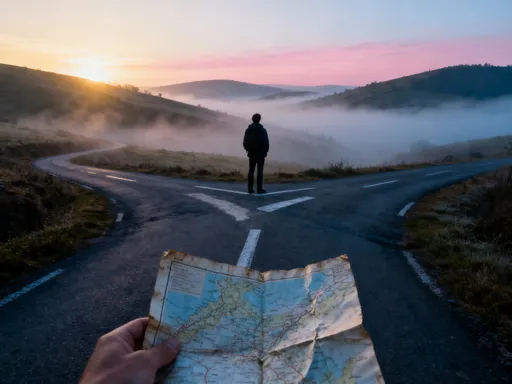
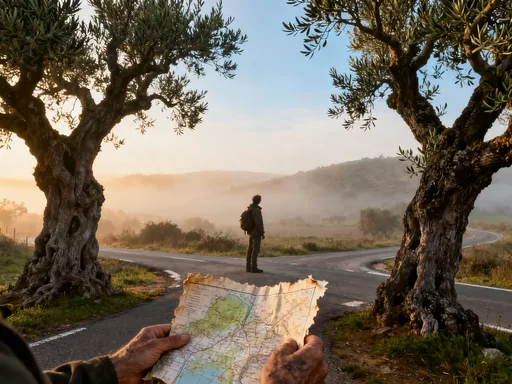
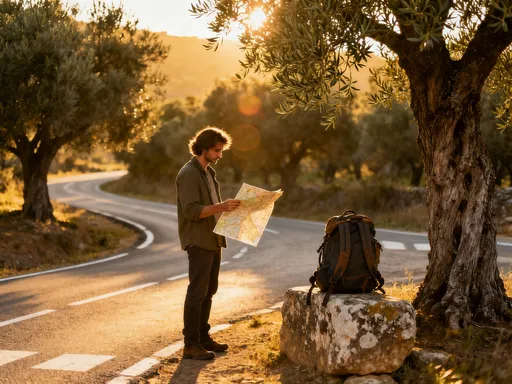
Travel begins long before departure—it starts in the pause between desire and decision. With endless destinations a click away, the real challenge isn’t access, but intention. What draws us to one place over another? Behind every meaningful trip lies not just a map, but a mindset: clarity in choosing, awareness in moving, and purpose in experiencing. This article explores how thoughtful selection, mindful preparation, and immersive engagement transform ordinary trips into lasting journeys. It’s not about ticking off landmarks, but deepening connection—with places, cultures, and oneself.
The Lens of Intention: Why How You Choose Matters
Every journey is shaped by the moment it is imagined, not just when it is undertaken. In an age of endless scroll and instant booking, travel decisions are often made on impulse, influenced by trending photos or last-minute deals. Yet the difference between a fleeting experience and a lasting memory lies in intention—the conscious alignment of destination with personal values. Intention acts like a camera lens: just as it focuses light to form a clear image, it sharpens attention, filters noise, and brings meaning into focus. Travelers who plan with purpose report higher levels of satisfaction, stronger emotional connections, and a greater sense of personal renewal compared to those who follow trends.
According to a 2023 survey by the Global Wellness Institute, 68% of respondents who defined their travel goals before booking—such as seeking solitude, cultural learning, or nature immersion—reported feeling more fulfilled upon returning home. In contrast, those who chose destinations based on popularity or convenience were more likely to feel fatigued, overwhelmed, or disconnected during their trips. This divergence highlights a quiet crisis in modern travel: decision fatigue. With over 200 countries and countless digital recommendations, the abundance of choice paralyzes rather than empowers.
The solution lies not in more information, but in clearer criteria. A practical step is creating a personal travel values checklist. This simple tool encourages reflection: what truly matters in a journey? For some, it is immersion in biodiversity; for others, it is culinary authenticity or historical depth. Categories such as connection, creativity, or rest can guide destination selection as effectively as climate or cost. A mother of two from Minnesota, for example, chose a quiet coastal village in Portugal over a crowded Mediterranean resort because her values prioritized stillness and family presence over spectacle. Her trip became less about photos and more about shared silences by the sea.
Choosing wisely is the first act of immersion. When a traveler selects a destination not because it is trending, but because it resonates, the journey begins in the mind and heart long before boarding a plane. This internal alignment transforms the entire experience, making even minor moments feel significant. A marketplace becomes a story, a quiet walk turns into reflection, and a local gesture becomes a memory. Intention is not a constraint on freedom—it is the compass that gives direction to discovery.
Beyond the Brochure: Reading Between the Ratings
Online reviews, glossy photos, and influencer endorsements shape much of modern travel inspiration. While these tools offer convenience, they often present a curated reality, emphasizing aesthetics over authenticity. Algorithms reward engagement, not experience integrity, meaning the most photographed places rise to the top regardless of their current state or cultural health. The result is a growing gap between expectation and reality—a destination may look pristine online, yet feel strained, commercialized, or emotionally hollow upon arrival.
Consider Venice, where overtourism has led to a 30% decline in permanent residents over the last two decades, or Bali, where certain villages now restrict tourist access to preserve daily life. Data from UNESCO shows that nearly 40% of World Heritage Sites face sustainability challenges due to visitor pressure. These are not isolated cases but symptoms of a broader imbalance: when popularity outpaces preservation, the soul of a place begins to erode. The challenge for thoughtful travelers is not to avoid these destinations entirely, but to engage with awareness and responsibility.
One way to shift perspective is by reframing FOMO—the fear of missing out—as curiosity with direction. Instead of chasing the most-visited landmarks, travelers can seek out regions with lower visibility but high integrity. For instance, the island of Sifnos in Greece offers the same Aegean beauty as Santorini but with one-tenth the crowds and a deeply rooted ceramic tradition. Similarly, instead of Kyoto’s packed temples, a visit to Takayama in the Japanese Alps reveals preserved Edo-era streets and quiet craftsmanship. These alternatives do not lack significance; they offer a different kind of depth—one untethered from viral fame.
To see beyond the surface, travelers can adopt research habits that prioritize local insight. Off-season travel data, regional forums like Lonely Planet’s Thorn Tree, and slow-travel blogs such as “Uncornered Market” or “Europe Through the Lens” provide nuanced, long-term perspectives. Reading comments from locals, checking municipal tourism advisories, or joining community-led travel groups adds layers of truth to any decision. The goal is not to reject popular places, but to approach them with humility and timing—visiting in shoulder seasons, supporting community-run initiatives, and asking not just “Can I go?” but “Should I go, and how can I contribute?”
The Rhythm of Arrival: Designing for Presence, Not Itineraries
The first 24 hours of a trip set the emotional and physiological tone for everything that follows. Yet many travelers begin their journeys already exhausted—overnight flights, long transfers, and back-to-back bookings fill Day One with stress, not wonder. Wellness research from the Mayo Clinic indicates that cortisol levels, a marker of stress, spike significantly in travelers during the first day abroad, particularly when arrival coincides with tight schedules. This initial strain can dull sensory awareness, increase irritability, and reduce openness to new experiences.
A more mindful alternative is the “soft launch” principle—designing the beginning of a trip around grounding, not achievement. Instead of rushing to landmarks, this approach prioritizes presence: arriving with buffer time, choosing accommodations with calm surroundings, and beginning with simple acts of observation. A morning walk through a local market, a quiet coffee at a neighborhood café, or an hour of mapless wandering can do more for connection than any guided tour. These moments allow the nervous system to recalibrate, the senses to awaken, and the mind to shift from routine to receptivity.
Studies in environmental psychology suggest that early spatial familiarity—forming a mental map through unhurried exploration—leads to greater confidence and comfort throughout a trip. Travelers who spend their first day absorbing rather than accomplishing report feeling more at ease, more curious, and more capable of spontaneous discovery later on. One traveler from Oregon described how her first-day walk through Lisbon’s Alfama district, guided only by the smell of grilled sardines and the sound of fado music, became the emotional anchor of her entire journey.
Designing for presence requires planning, not less, but differently. It means protecting the first 24 to 48 hours from over-scheduling, even when the temptation to “maximize time” is strong. It means valuing stillness as much as sightseeing. By starting slowly, travelers create a compound return: calmer nerves, deeper attention, and richer memories. The rhythm of arrival is not about speed, but about alignment—with the place, the pace, and oneself.
Unseen Infrastructure: The Systems That Support Seamless Travel
Beneath every smooth journey lies a network of logistical support often invisible until it fails. Reliable transportation, stable mobile connectivity, accessible healthcare, and transparent booking systems are the silent scaffolding of travel confidence. When these elements work, they go unnoticed; when they falter, they dominate the experience. A 2022 report by the International Air Transport Association found that over 60% of travel-related stress stems from logistical issues—missed connections, app failures, unclear check-in procedures, or lost bookings. These are not minor inconveniences; they erode well-being and diminish enjoyment.
The key to minimizing disruption is pre-trip “stress-testing”—proactively simulating the journey’s critical steps. This includes verifying transport routes during actual travel times, downloading offline maps, saving emergency contacts, and organizing digital copies of passports, itineraries, and reservations in a secure cloud folder. Tools like Google Trips (archived but still functional in many regions), TripIt, or Notion allow travelers to consolidate plans in one accessible place. Additionally, checking local apps—such as Citymapper for urban transit or DB Navigator for German trains—can prevent confusion upon arrival.
Connectivity is another crucial layer. While roaming plans have improved, relying solely on data coverage is risky. Carrying a portable Wi-Fi device or purchasing a local SIM card upon arrival ensures access to maps, translation tools, and emergency services. For families or older travelers, this small step can transform independence and safety. Accommodation transparency also matters—reading recent guest reviews, checking photos from multiple angles, and confirming amenities in advance prevents unwelcome surprises, especially for those with mobility needs or dietary restrictions.
Well-prepared logistics do not eliminate spontaneity; they enable it. When the basics are secure, travelers feel freer to wander, linger, or change plans without anxiety. One woman from Toronto shared how having offline maps and a downloaded translation app allowed her to explore a rural village in Thailand without fear, leading to an unexpected invitation to a family meal. The unseen systems, when in place, become the quiet force that empowers discovery.
The Art of Not Seeing Everything: The Power of Depth Over Coverage
Modern travel culture often celebrates breadth—the number of countries visited, landmarks checked, or photos posted. Yet cognitive science reveals a different truth: the human brain absorbs and remembers experiences not by quantity, but by depth. When travelers pack their days with nonstop sightseeing, they face what psychologists call “attentional overload”—a state where the mind cannot process or retain incoming stimuli. As a result, museums blur into one another, streets become interchangeable, and even the most iconic sites fail to leave a lasting impression.
Consider two hypothetical travelers: one visits eight cities in ten days across Europe, racing from train stations to tourist centers; the other spends the same time in a single region, such as Tuscany, exploring villages, local markets, and walking trails at a leisurely pace. Research from the University of California suggests that the latter traveler will form stronger memories, report higher emotional satisfaction, and engage in more meaningful interactions with locals. The difference lies not in the destination, but in the attentional economy—a concept which holds that focus is a finite resource, best spent deliberately.
A more fulfilling approach is “micro-immersion”—focusing on a small, richly textured area. This might mean spending three days in Kyoto’s Nishijin district, learning about traditional weaving, or basing oneself in a single coastal town in Croatia to understand its rhythms, tides, and community life. By narrowing the scope, travelers gain depth: they notice seasonal changes, recognize faces, and begin to feel like temporary locals rather than passing observers.
Choosing depth requires saying no—to the second museum, the extra hike, the crowded viewpoint. But this selectivity is not a loss; it is an investment in meaning. When a traveler decides that if they do only one thing today, it will be sipping tea in a centuries-old garden while listening to morning birdsong, that moment becomes a keystone of the journey. The art of not seeing everything is not about limitation, but about liberation—from pressure, from comparison, from the tyranny of the itinerary.
Sensory Alignment: Tuning Your Experience to the Environment
Memory is not stored in facts alone, but in sensations—the scent of rain on warm stone, the hum of evening prayers, the taste of freshly baked bread at dawn. These sensory imprints form the emotional core of travel, yet they are often overlooked in planning. Most guides focus on “what to see,” but a more transformative question is: “How to feel?” Sensory alignment—preparing and tuning the body and mind to receive the environment—enhances presence and deepens experience.
Before departure, travelers can study a destination’s rhythms: when do streets come alive? What are the quiet hours? What sounds, smells, or textures define daily life? In Marrakech, the spice markets awaken early; in Kyoto, temple bells mark the hours gently. Knowing these patterns helps travelers sync with the local flow, reducing disorientation and increasing connection. Simple practices like mindful walking—noticing each step, each breath, each sound—ground the mind in the present and sharpen awareness.
Another powerful tool is “sensory anchoring”—identifying a specific sense-impression to carry throughout the journey. One woman from Colorado chose the sound of church bells in Umbria as her anchor; each time she heard them, she paused, took a breath, and reoriented. Another traveler kept a small piece of local fabric in her pocket, touching it when feeling overwhelmed. These anchors serve as emotional touchstones, helping to manage overstimulation and preserve calm.
Journals can also support sensory alignment. Instead of writing “Visited museum,” prompts like “What just caught my eye?” or “What did I hear first this morning?” invite deeper observation. Over time, these notes form a layered record of the journey, not just of places, but of presence. When sensory attention is cultivated, travel shifts from a visual checklist to a full-bodied experience, one that lingers long after the return home.
The Return Lens: Weaving Travel Back Into Life
The journey does not end when the suitcase is unpacked. For many, the most overlooked yet transformative phase is re-entry—the return to daily life. Psychologists refer to this as the “re-entry dip,” a subtle but real sense of disconnection that can follow even the most fulfilling trips. The vibrant colors of Morocco fade; the quiet of a mountain retreat gives way to traffic noise. Without deliberate integration, the insights and emotions of travel can dissolve, leaving only souvenirs and photo albums.
To preserve the journey’s depth, travelers can adopt simple rituals of reflection. One effective practice is photo reflection: selecting just three images that capture the emotional essence of the trip and writing a brief narrative for each. Another is “souvenir journaling”—using a physical object, like a seashell or a ticket stub, as a prompt for memory and insight. Sharing a meal inspired by the destination—cooking a Moroccan tagine or brewing Japanese matcha—creates continuity between travel and home.
But deeper integration requires asking reflective questions: What changed in me? What do I want to carry forward—a slower pace, greater curiosity, more openness? One traveler from Virginia realized her trip to Iceland had awakened a love for solitude, prompting her to establish a weekly “quiet morning” ritual at home. Another found that conversations with artisans in Oaxaca inspired her to support local makers in her own community.
When travel is approached not as escape, but as evolution, its impact multiplies. The lasting measure of a journey is not the miles traveled, but the depth carried forward—in habits, in perspective, in quiet moments when the world feels wider. By choosing with intention, preparing with care, and returning with reflection, travel becomes not just a break from life, but a vital thread within it.