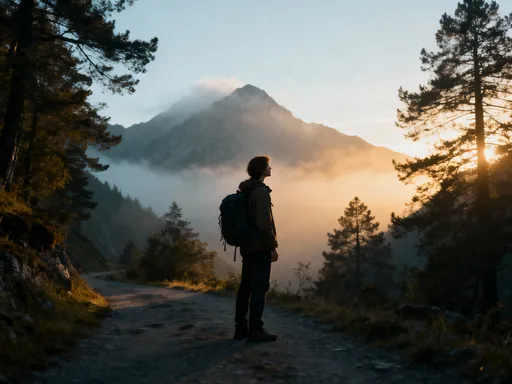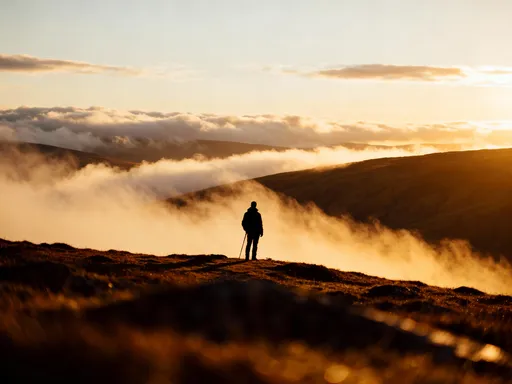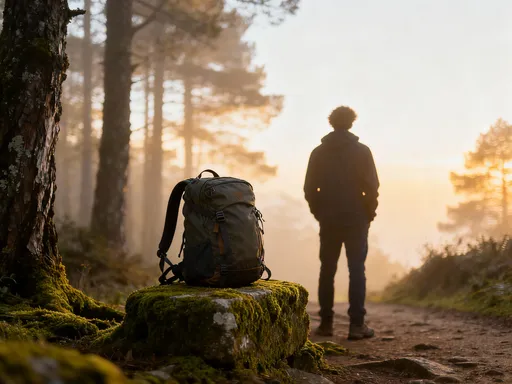
Where Journeys Begin: The Quiet Magic of Choosing Right
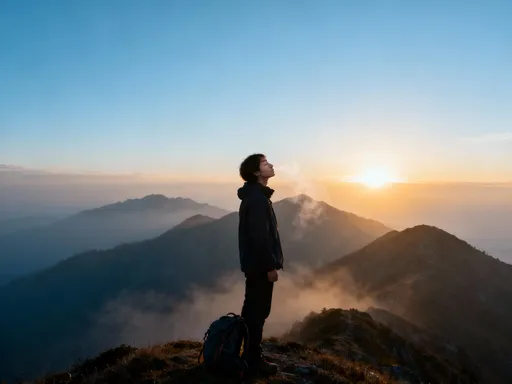
Travel begins not with a passport stamp, but with a decision—a quiet moment when curiosity meets intention. The world overflows with destinations, each promising wonder, yet only the right ones truly transform us. Choosing where to go is no longer about trends or checklists; it’s about alignment—between rhythm and route, need and nature. A well-chosen journey doesn’t just fill time; it refines perspective, restores balance, and quietly rebuilds the self. With thoughtful selection and mindful preparation, travel becomes more than escape: it becomes evolution.
The Heartbeat of a Journey: Why Experience Begins Before Departure
The emotional landscape of travel starts long before boarding a flight or packing a suitcase. Research in behavioral psychology reveals that the period of anticipation—what scholars call the "travel effect"—can deliver as much, if not more, joy than the trip itself. This is not merely wishful thinking; it is the brain responding to possibility, a surge of dopamine tied not to arrival, but to the act of envisioning. What we picture, we begin to feel. When a destination resonates with our inner rhythm, this emotional charge deepens and sustains. The key lies not in chasing the most photographed sites, but in identifying places that echo a current need—whether for stillness, stimulation, or simplicity.
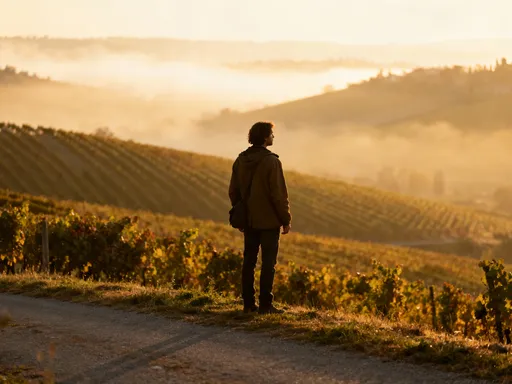
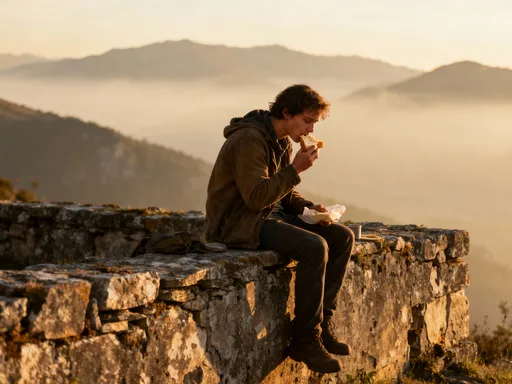
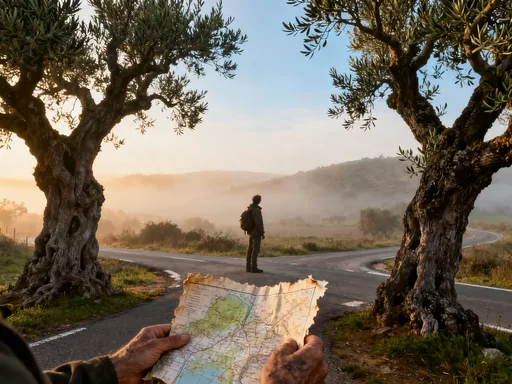
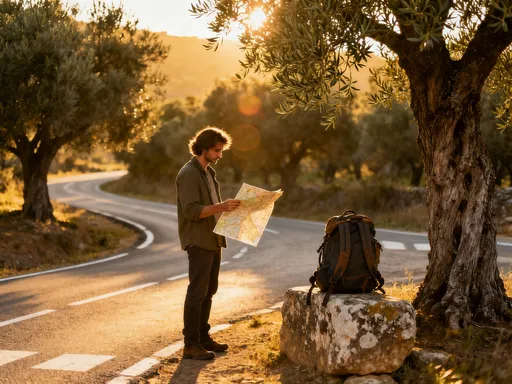
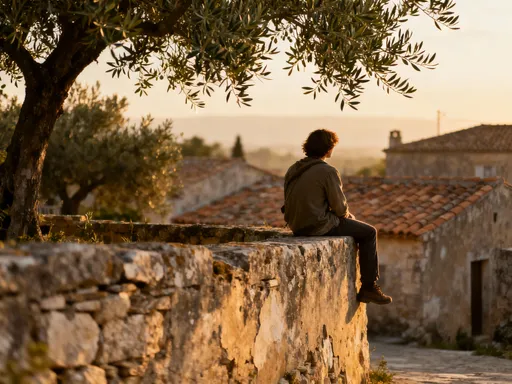
This alignment is best described as *travel resonance*. It occurs when the character of a place mirrors the state of the traveler. For instance, someone emerging from a season of burnout may find profound connection in the rolling olive groves and unhurried pace of rural Portugal, where time is measured in sun angles rather than schedules. Another, restless with routine, might feel at home in the crisp air and steady trails of a mountain village in northern Japan, where movement becomes meditation. The destination becomes a mirror, reflecting and supporting what we most need to reclaim—clarity, courage, or calm.
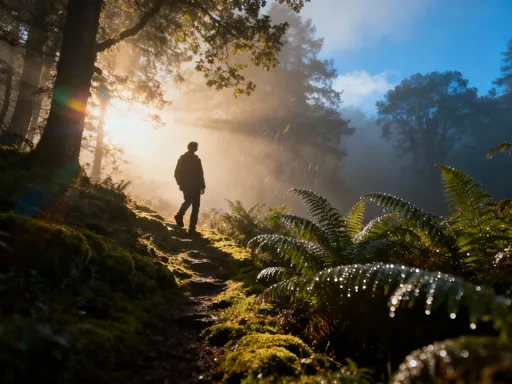
To cultivate this resonance, travelers benefit from a simple, introspective framework. Begin by asking: What is my energy right now? Are you feeling depleted and needing restoration? Then seek serene environments with soft sensory input—quiet coastlines, forest preserves, or retreat-style accommodations. Are you driven by curiosity and a desire for discovery? Then lean into immersive destinations with layered culture and local engagement. Reflective souls may gravitate toward monasteries, artistic enclaves, or places with deep history, where silence and space invite introspection. Recognizing your inner state is not indulgence; it is the first act of wise travel planning.
Journaling before booking can clarify intentions. Write down three words that describe your emotional landscape—"weary," "curious," "open," or "guarded"—then match them to environments that support, not strain, those feelings. This pre-travel reflection is not a luxury; it is a compass. It turns travel from a reaction to a response, from escape to engagement. By honoring where you are emotionally, the destination ceases to be a backdrop and becomes a collaborator in renewal.
Beyond the Feed: Rethinking Destination Selection
In an era where travel inspiration floods through social media feeds, the line between aspiration and illusion has blurred. Algorithms favor the spectacular—the cliffside infinity pool, the flower-draped alley, the golden-hour silhouette—creating a visual economy where popularity reigns over suitability. Yet data from the World Tourism Organization indicates that visitor satisfaction drops significantly when daily tourist volume exceeds 10,000 in compact historic zones. Overcrowding leads not only to longer lines and diminished access, but to a quieter erosion of experience: the loss of presence, serenity, and authentic connection. The places everyone is going are often the ones where it becomes hardest to truly arrive.
Choosing a destination should not be a popularity contest. Instead, it should be a personal calibration. A better approach is the "hidden match" method—seeking locations that offer the emotional and sensory qualities you seek, even if they lack hashtags. Consider two alpine towns: one in the French Alps, widely featured in influencer content, and another in the Slovenian countryside, known mostly to locals and slow travelers. Both offer snow-dusted peaks, winding trails, and cozy lodges. Yet the lesser-known village allows for morning walks without crowds, conversations with shopkeepers who remember your name, and the rare gift of silence beneath open skies. The experience is not just different; it is deeper.
To cut through the noise of digital curation, use a destination filter list—a practical tool to align external options with internal needs. Start by evaluating personal comfort zones: What is your tolerance for noise and unpredictability? Do you value walkability and ease of navigation? How important is access to solitude or natural views? Assign weight to factors like pace of life, availability of simple meals, or proximity to green space. This structured approach reduces the paralysis of too many choices and grounds decision-making in self-knowledge. One traveler’s dream is another’s overwhelm; the goal is not universal appeal, but personal fit.
A well-aligned destination doesn't demand you perform for the camera. It invites you to exist without spectacle. By moving beyond the feed, travelers reclaim autonomy over their journeys. They shift from mimicking trends to honoring temperament, from checking boxes to breathing freely. This quiet rebellion—choosing substance over shares—is where transformation begins.
The Quiet Places That Speak Loudest: Offbeat Destinations with Deep Return
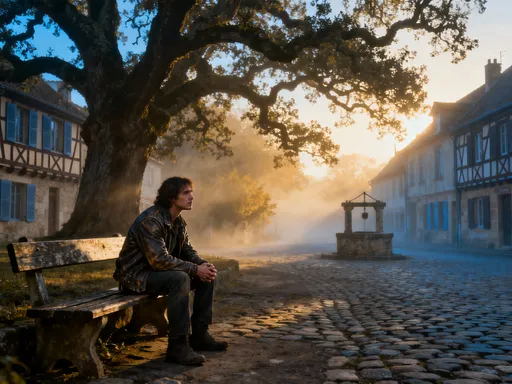
Some of the most profound travel experiences unfold in places that rarely trend online. These are destinations where stillness is not an accident, but a culture. In Portugal’s Alentejo region, vast plains stretch beneath wide skies, where cork oaks stand like ancient sentinels and whitewashed villages glow at dusk. There are no souvenir stalls lining cobblestone streets, no guided tours rushing through quiet plazas. Instead, life moves to the rhythm of bread baking in wood-fired ovens, of shepherds guiding flocks along dusty trails, of evening light washing over adobe walls in hues of rose and gold. This is not a museum of the past, but a living present, undisturbed by the need to impress.
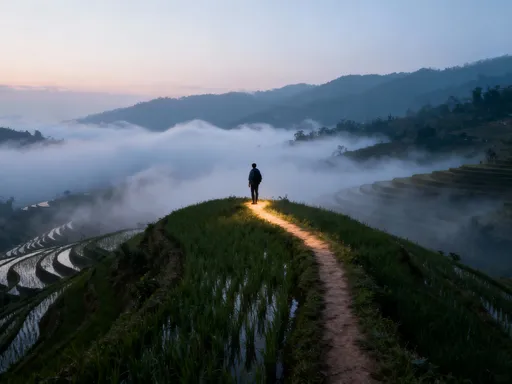
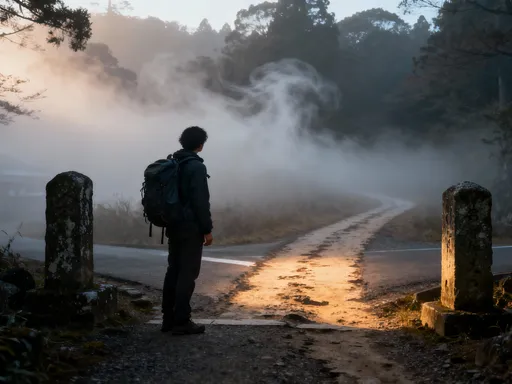
Or consider Japan’s Shimane Prefecture, nestled on the Sea of Japan coast. Far from the neon pulse of Tokyo or the cherry blossoms of Kyoto, Shimane is a region of myth and mist. It is said to be the home of Japan’s creation deities, and the landscape seems touched by reverence. Rice terraces cascade down hillsides like green staircases. Shinto shrines emerge from forest groves, marked only by a torii gate half-hidden in moss. The air hums with cicadas and the distant chime of temple bells. Locals speak softly, bow slightly, and serve tea with quiet intention. To walk here is to move through a living haiku—spare, seasonal, meaningful.
On the opposite side of the world, Fogo Island in Newfoundland, Canada, rises from the North Atlantic with a rugged grace. Built on the principles of radical hospitality and ecological respect, the island’s acclaimed inn is a hub of art, sustainability, and community engagement. Visitors are invited not just to stay, but to participate—to join fishermen on early boats, to knit with elders, to walk along sea-salted cliffs where icebergs drift in spring. There are no crowded attractions, no chain stores. There is only the wind, the sea, and the warmth of people who know what it means to live on the edge of the world.
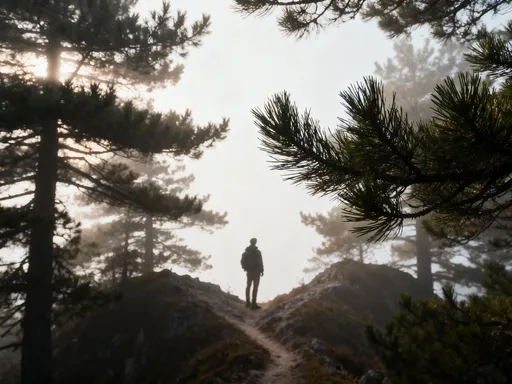
These destinations share a rare quality: they offer mental spaciousness. Studies in environmental psychology, particularly those on *attention restoration theory*, show that low-stimulus environments—those with natural patterns, gentle sounds, and minimal demands—allow the brain to recover from cognitive fatigue. In a world saturated with notifications and noise, such places are not just scenic; they are restorative. They do not shout for attention; they whisper, and in that whisper, we remember how to listen.
Crafting the Journey: From Intention to Itinerary
Once a destination is chosen, the next step is not to build a packed schedule, but to design a rhythm. Too often, travelers equate value with volume—how many sites were seen, how many photos taken, how many meals squeezed into a single day. But quality of experience depends not on quantity, but on presence. Cognitive research shows that multitasking—such as rushing from museum to market to monument—leads to mental depletion, not enrichment. The brain does not absorb more when it is overwhelmed; it remembers less. A better model prioritizes immersion over itinerary, depth over distance.
Consider adopting a daily rhythm structure: begin with one or two immersion blocks—focused periods of 2 to 3 hours dedicated to a single activity, whether walking a forest trail, sketching in a courtyard, or learning a traditional craft. These blocks are not passive sightseeing; they are active engagement, where attention is directed and sustained. Follow each with open space—two or more hours free of plans. This is not wasted time, but sacred space. It allows for surprise encounters, quiet observation, or simple rest. Finally, include reflection anchors: small rituals like journaling, sipping tea while watching the sunset, or reading a few pages of poetry. These moments ground the day, turning experience into insight.
Before departure, test this rhythm locally. Design a “prototype day” that mirrors your ideal travel pace. Spend a morning immersed in a nearby park, followed by a slow lunch, then an afternoon with no agenda, ending with 15 minutes of reflection. Notice how it feels. Does the open space bring anxiety, or relief? Are you drawn to structure or flow? This dress rehearsal offers invaluable feedback. It also trains the nervous system to embrace slowness, making the transition to travel smoother. The goal is not to optimize every minute, but to honor your natural rhythm.
Pacing is not laziness; it is stewardship of attention. When travelers move slowly, they see more. They notice the way light shifts on stone walls, the pattern of tiles beneath their feet, the smile of a vendor who remembers their usual order. They begin not as tourists, but as temporary locals. This shift—from seeing to being—is where meaning grows.
The Toolkit of the Thoughtful Traveler: Practical Steps for Deeper Access
Deep travel does not require exotic tools, but intentional habits. Start with language: learning just five local phrases—"hello," "thank you," "excuse me," "how much," and "goodbye"—can open doors wider than any guidebook. These small offerings signal respect and curiosity, often prompting warm responses and unexpected invitations. They turn transactions into connections.
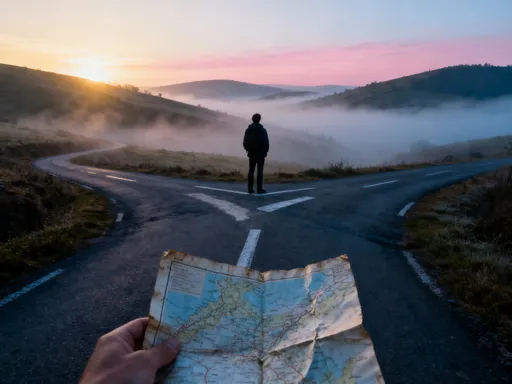
Another powerful choice is to book at least one night in a homestay or family-run guesthouse. Unlike large hotels, these accommodations offer a window into daily life. You may share a meal, hear stories of the neighborhood, or receive hand-drawn maps of hidden gardens. These moments of intimacy are often the most remembered. Similarly, using analog tools—like paper maps or handwritten notes—slows perception and enhances awareness. Without GPS pinging every turn, you begin to navigate with observation, building a mental map of the place.
Equally important are the micro-rituals that anchor experience. Begin each day with coffee or tea outside, even if just on a balcony. Let the first moments be sensory, not digital. In the evening, take a walk without your phone, absorbing the day’s end without photographing it. Practice saying "no" with grace—declining an event, skipping a site, resting when tired. These small acts of self-respect preserve energy and deepen presence.
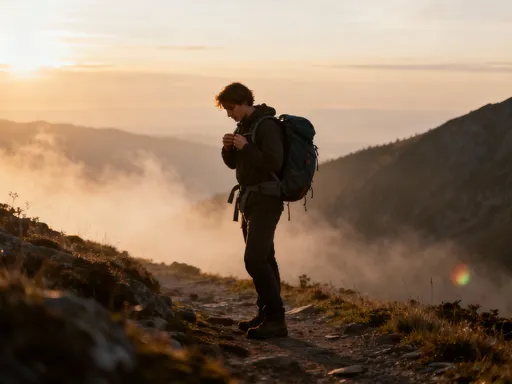
Consider assembling a Portable Stability Kit: a small notebook for reflections, noise-filtering earpieces for moments of overstimulation, a reusable water vessel, a favorite scarf or shawl for comfort. These are not souvenirs; they are tools of continuity. They carry a sense of self across borders. In unfamiliar places, such items provide subtle reassurance, helping the traveler remain grounded, not lost.
When the Plan Blinks: Handling Shifts with Grace
No journey unfolds exactly as planned. Flights are delayed, museums close, weather shifts, and moments of loneliness arise—especially when far from home. Yet data from travel ethnography suggests that 68% of meaningful memories stem from unplanned moments: a missed train that led to a village festival, a sudden rainstorm that confined you to a cozy café, a chance conversation with a local artist. Disruption is not the enemy of a good trip; it is often its soul.
The challenge is not the change itself, but the mindset toward it. The shift from thinking "this ruins the trip" to "this *is* the trip" transforms stress into surrender. This reframing begins with a pause: stop, breathe, observe your surroundings, and write one sentence in your journal—"the market smells of cumin and rain," or "I feel tired and far from home." This practice interrupts the panic response and opens space for acceptance.
Having a fallback structure reduces anxiety. Identify one reliable backup activity—reading in a park, visiting a quiet church, browsing a bookstore. Keep contact information for a local guide or guesthouse host who can offer advice. Most importantly, give yourself permission to rest. A canceled plan is not a failure; it is an invitation to be still. When travelers release the need for control, they often find themselves exactly where they needed to be.
Over time, this flexibility becomes a travel skill—a quiet confidence that you can handle whatever comes. It is not about avoiding discomfort, but about trusting that even discomfort can be meaningful. The journey, in all its unpredictability, becomes a teacher.
Returning Changed: How to Carry the Journey Home
The end of a trip is often treated as a return to normalcy, but it is actually a new beginning. Re-entry can bring its own quiet shock—the reverse culture shift of moving from slowness to schedule, from simplicity to complexity. The vibrant colors of a hillside village fade into office walls; the rhythm of waves is replaced by traffic noise. This transition is not failure; it is a natural phase of integration.
To honor it, create re-entry rituals. Host a quiet meal at home styled after your destination—a Portuguese stew, a Japanese tea ceremony, a Canadian seafood boil. Use the same music you heard abroad as a weekly playlist. Light a candle each evening and write a letter to the place you left, not as nostalgia, but as gratitude. These acts are not escapism; they are anchors, drawing the journey into daily life.
The goal is not to stay away, but to carry the shift within. Travel’s true measure is not miles logged, but moments of awakening—when you pause mid-task and remember the sound of wind through bamboo, or when you choose slowness not out of obligation, but out of memory. These are signs that the journey has taken root.
In the end, the most transformative trips are not those that take us farthest, but those that bring us closest—to ourselves, to stillness, to the quiet truth that the right destination was never just a place on a map. It was a mirror, a moment, a gentle invitation to return, again and again, to who we are meant to be.